How Many Numbers Are in the Lottery and How Games Differ
27 October 2026 | 73
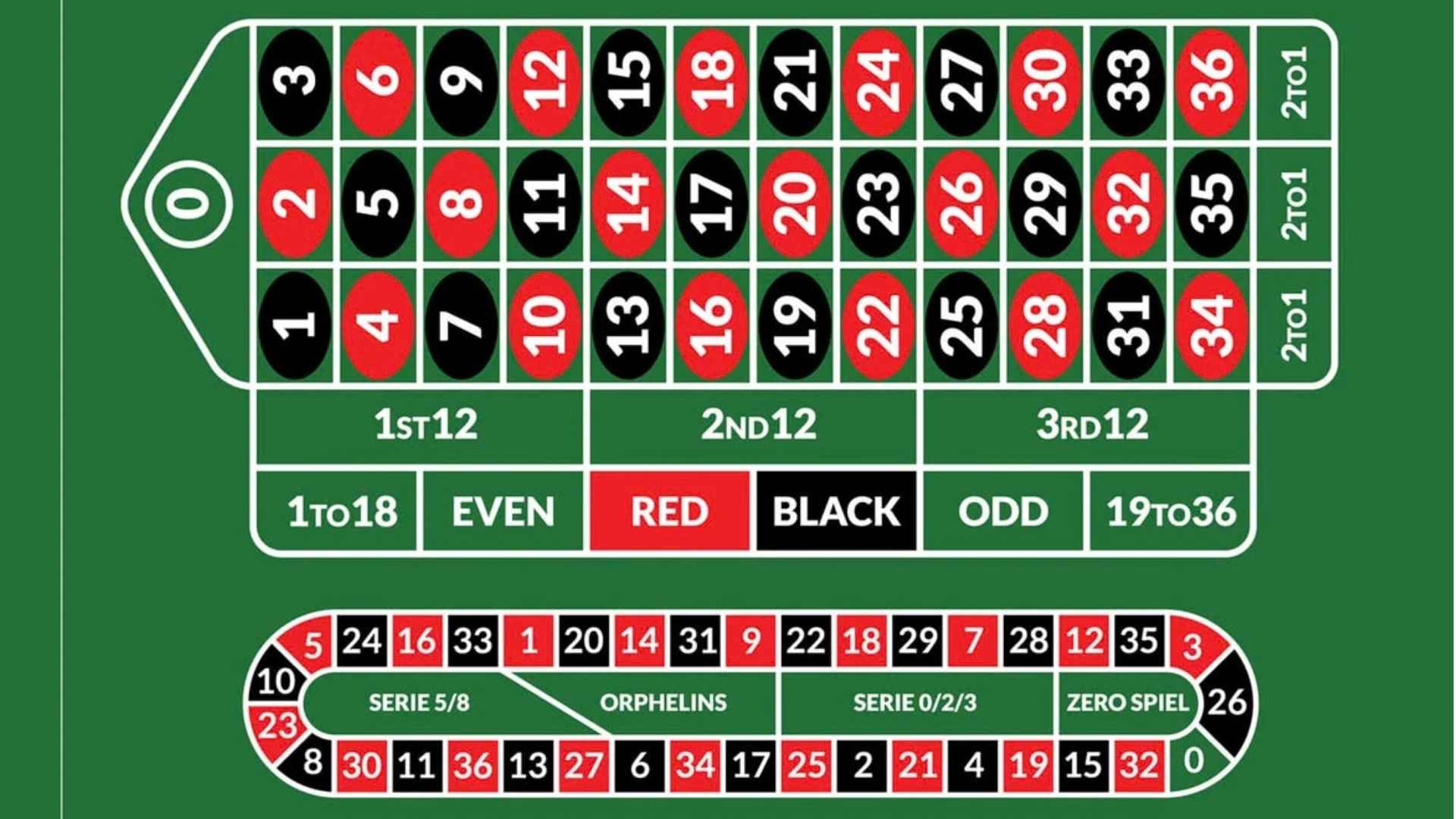
Lottery games across the globe utilize diverse numerical matrix systems to create engaging gameplay and structure winning odds. The actual quantity of numbers a player must select depends heavily on the specific draw format, regional regulations, and jackpot scale. Understanding these numerical differences provides valuable clarity for anyone looking to participate in national or international lotteries.
Standard Pick-3 and Pick-4 Matrix Formats
Daily lottery games often utilize simplified selection formats known as Pick-3 or Pick-4 matrices. In these games, players choose three or four individual digits ranging from 0 to 9, allowing for repeated numbers in a single sequence. Because the total pool of numbers is small, the mathematical odds of winning a top prize are significantly higher than multi-state jackpot draws.
These localized daily games appeal to participants who prefer frequent, smaller payouts over astronomical jackpots. The straightforward structure makes it easy to track results and evaluate basic probability principles. Many online gaming platforms and sportsbooks, such as m88 sport link alternatif login, offer insights into numerical betting formats alongside their primary entertainment features.
Classic Pick-6 and Multi-Ball Lotteries
Traditional national lotteries typically feature a Pick-6 structure where players choose six unique numbers from a single set pool, such as 1 through 49. This traditional model eliminates repeating numbers within a single ticket selection and relies on a single drawing drum. The odds of matching all six digits are challenging, yet far more attainable than modern dual-drum jackpot systems.
Over time, many lottery organizations evolved this classic framework into dual-drum mechanisms to build massive rollover jackpots. In a dual-drum system, players select a primary set of numbers—often five out of 69—plus an additional bonus ball from a separate pool of 1 to 26. Adding this secondary number pool drastically expands the potential combination field into hundreds of millions.
How Number Pools Directly Impact Winning Odds
The overall size of the number pool directly determines the difficulty of claiming a grand prize. A smaller total matrix, such as choosing five numbers out of 35, yields vastly better statistical odds than picking six numbers out of 59. However, games with smaller number pools naturally offer smaller starting jackpots and lower cap limits on secondary prizes.
When gaming commissions expand a lottery's number field, they intentionally lower the overall jackpot odds to create longer rollover streaks. These consecutive rollovers generate larger headline prize amounts, which in turn drives broader ticket sales. Balancing the total number count allows lottery operators to cater to different player preferences across various regional markets.
Evaluating Game Types and Player Choices
Deciding which lottery format to play comes down to individual expectations regarding risk, payout sizes, and overall winning probabilities. High-variance games with large number pools are designed for players seeking monumental, life-changing sums despite extreme odds. Conversely, low-variance draw games with fewer total numbers suit those who prefer realistic odds and frequent modest returns.
Ultimately, recognizing how number counts dictate overall mechanics helps players make informed decisions before purchasing a slip. Reviewing official prize tiers and probability tables ensures realistic expectations for every draw format. Whether participating in daily digit draws or international mega-jackpots, grasping the underlying numerical structure remains essential.